Creating Inclusive Spaces for Hobbyists
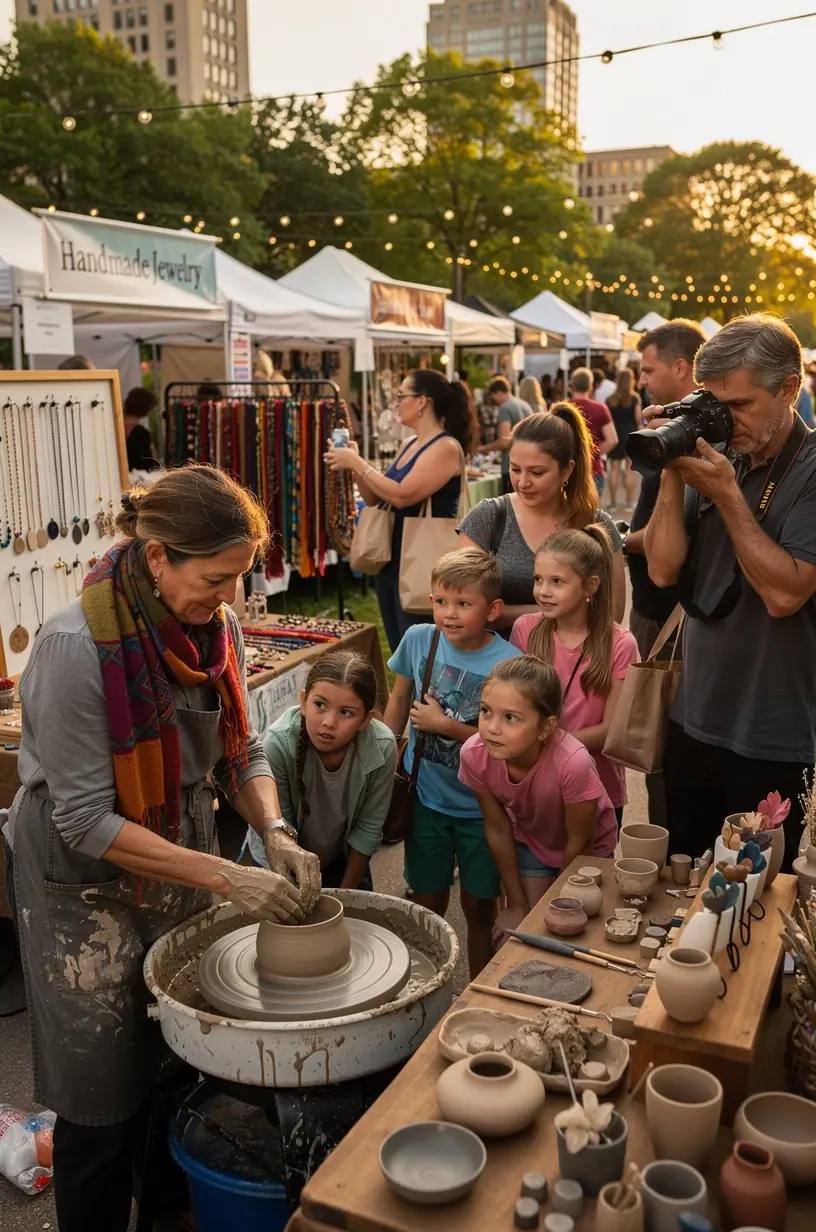
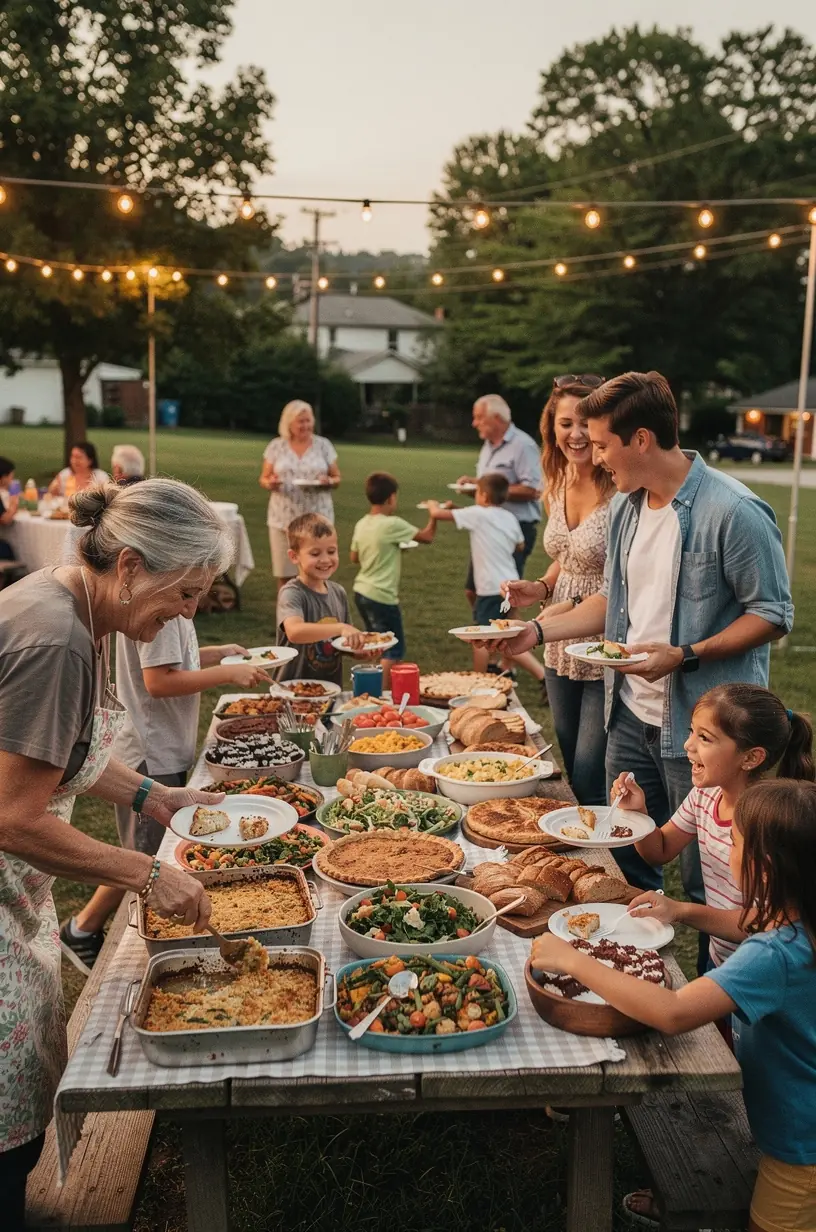
As communities grow and diversify, the need for inclusive spaces that cater to various hobbies becomes increasingly important. This article explores the principles of creating such spaces, emphasizing the benefits they provide and the practices that can enhance participation.
Understanding the Importance of Inclusivity
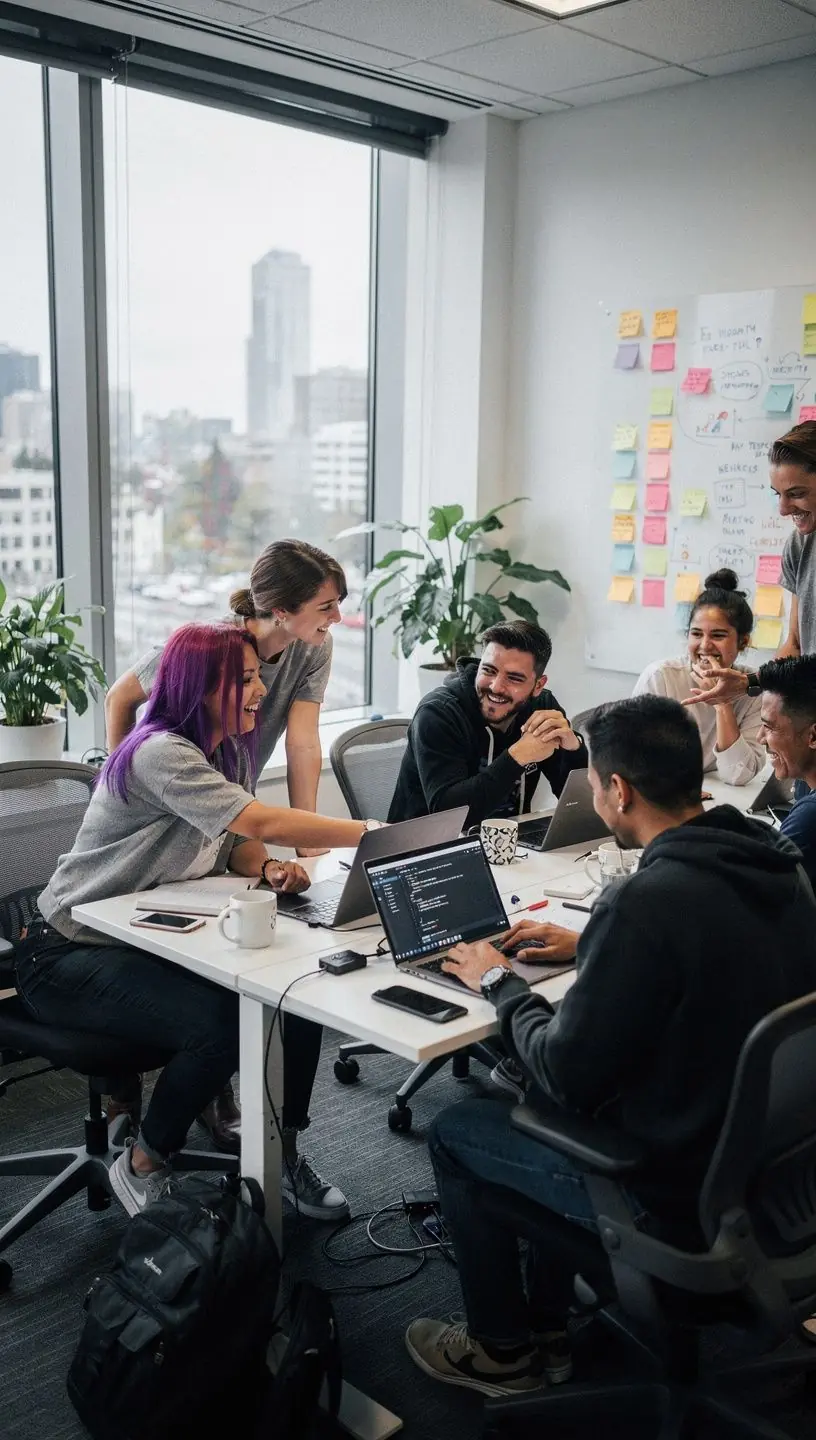
Creating inclusive spaces for hobbyists is not just a trend; it is a necessity. According to a study by the American Psychological Association, inclusivity in social settings can lead to higher participation rates and improved overall satisfaction. Inclusive environments allow individuals from different backgrounds to share their passions without fear of exclusion or discrimination.
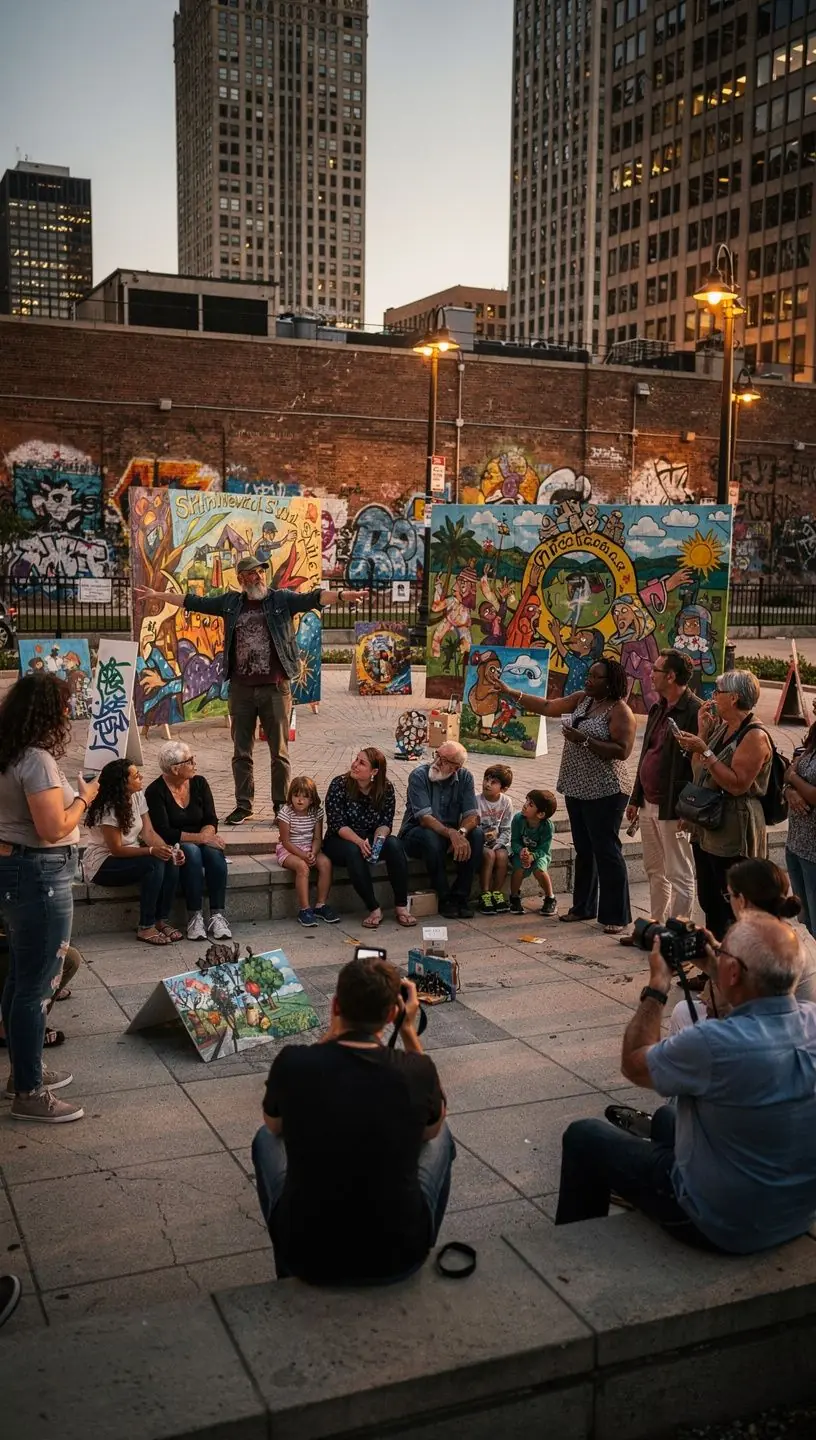
"Diverse groups often generate more innovative ideas and solutions, making inclusivity essential for community growth."
Key Strategies for Fostering Inclusivity
To build an inclusive community, consider the following strategies:
- Encourage Diverse Participation: Actively promote events in a manner that reaches various demographic groups. This can involve using multiple platforms, including social media, local community boards, and outreach programs. Research indicates that diverse participation can enhance creativity and collaboration among group members.
- Adopt Inclusive Language: Use language that is welcoming and respectful. Many users report feeling more comfortable when the communication reflects an understanding of their unique identities. Avoid jargon and be mindful of terms that may alienate or confuse newcomers.
- Accessibility Considerations: Ensure that your venues are accessible to individuals with disabilities. According to the National Council on Independent Living, creating physically accessible spaces can significantly increase participation rates, particularly among individuals with mobility challenges.
Creating Safe Spaces for Expression
In many cases, hobbyists may feel vulnerable when sharing their interests. It's essential to establish a culture of respect and support. Here are some methods to achieve that:
- Establish Ground Rules: Clearly define expectations for behavior during gatherings. Experts recommend that setting ground rules can help create a safe environment where everyone feels valued.
- Facilitate Open Discussions: Create forums or discussion panels where participants can voice their thoughts and experiences. This works because open dialogue fosters understanding and connection among members.
- Provide Resources for Conflict Resolution: Equip your community with tools and resources to handle disputes constructively. A well-informed approach to conflict can prevent issues from escalating and maintain a positive atmosphere.
Measuring Success and Adapting
In most cases, creating an inclusive space requires ongoing effort and adaptation. Regular feedback from participants can help identify areas for improvement. Surveys and informal check-ins are effective methods for gathering insights regarding the success of your initiatives.
"Continuous improvement is key to maintaining a thriving community that meets the needs of all its members."
Conclusion
Building inclusive spaces for hobbyists can significantly enrich community experiences. While it may require a commitment of time and effort, the rewards—greater participation, enhanced creativity, and stronger connections—are well worth it. By employing effective strategies and remaining open to feedback, communities can create environments where everyone feels comfortable sharing their passions.