How to Organize Community Music Events
Organizing community music events can be a rewarding experience, fostering connections among local residents while promoting the arts. However, to ensure a successful event, it is essential to follow a structured approach that typically requires careful planning and collaboration.
Understanding the Basics
According to research, community music events can significantly enhance social cohesion and engagement within neighborhoods. Experts recommend starting with a clear vision of what you aim to achieve with the event, whether it's to showcase local talent, raise funds for a cause, or simply bring people together. The principles behind successful events often involve understanding your audience, selecting the right venue, and creating an engaging experience for attendees.
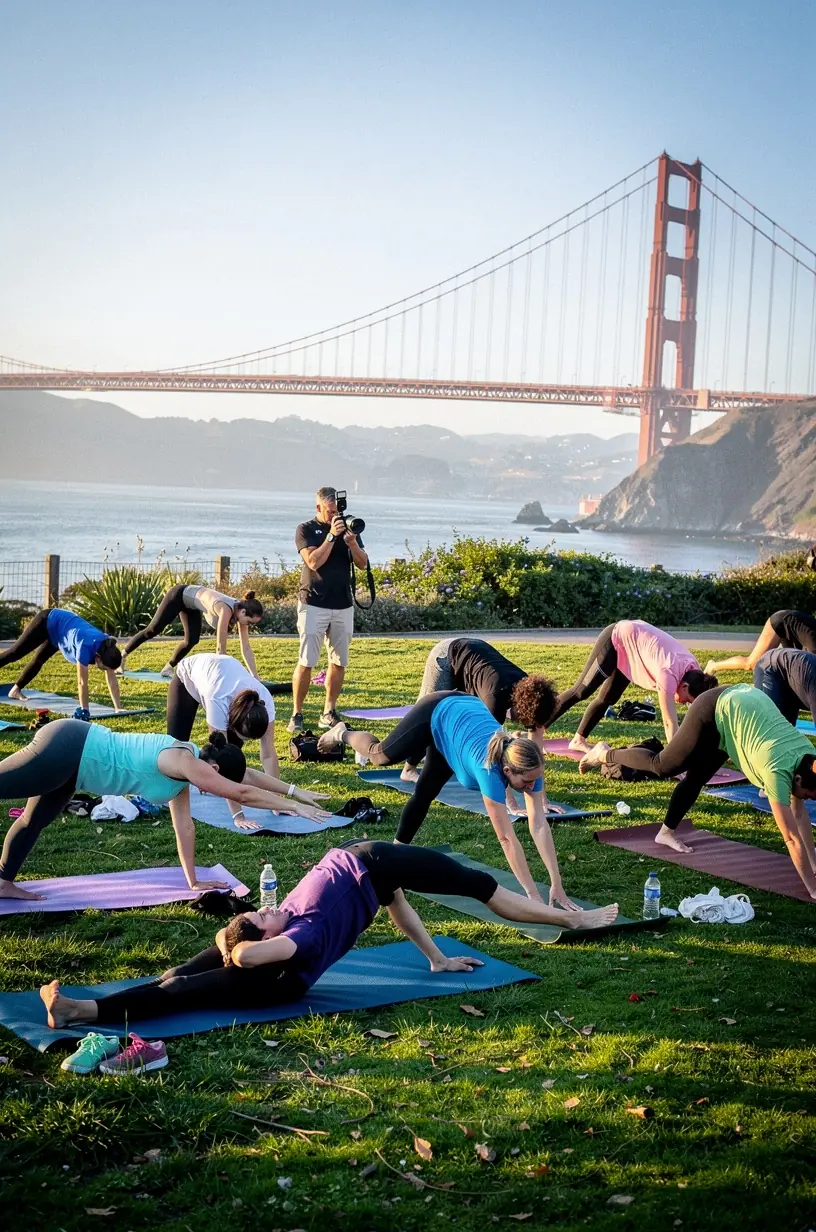
"Effective community events can increase local participation and cultural appreciation, according to studies conducted by community development organizations."
Step-by-Step Guide to Organizing Your Event
- Define Your Goals: Before diving into logistics, determine what you want to accomplish. This may include building community spirit, promoting local artists, or supporting a nonprofit. Understanding your objectives will guide your planning process.
- Form a Planning Committee: Involve a diverse group of volunteers who are passionate about music and community engagement. This team will be critical for brainstorming ideas, sharing responsibilities, and ensuring a variety of perspectives are represented.
- Select a Venue: The choice of venue is crucial. Suitable locations might include parks, local theaters, or community centers. Consider factors such as accessibility, capacity, and required permits. In most cases, venues that already host events will have guidelines that can help streamline your process.
- Budget Planning: Create a realistic budget that encompasses all aspects of the event, including venue rental, equipment, permits, marketing, and any artist fees. Many users report that securing sponsors can help alleviate costs, making the event more feasible.
- Book Performers: Reach out to local musicians and bands who align with your event's goals. This not only showcases local talent but also helps foster a sense of community. Industry experts suggest providing a platform for emerging artists, as this can create a unique draw for attendees.
- Promote the Event: Use social media, community bulletin boards, and local radio stations to spread the word. Engaging visuals and clear messaging can enhance outreach efforts. Remember, effective marketing strategies typically take 4-6 weeks to gain traction, so start early.
- Engage the Community: Involve local businesses by encouraging them to participate as vendors or sponsors. This not only supports the local economy but also increases community investment in the event's success.
- Prepare for the Day: Ensure that all logistics are in place and that your team is well-prepared. Establish a timeline that includes setup, performance schedules, and breakdown. This can help ensure that everything runs smoothly.
Acknowledging Challenges
It's important to acknowledge that organizing a community music event typically requires a time commitment of several weeks or even months. Depending on the scale of the event, it may also involve learning new skills such as event marketing or logistics management. Many organizers find that having a clear timeline and checklist can help manage these challenges effectively.
Conclusion
Organizing a community music event is a multifaceted process that, when done thoughtfully, can bring joy and collaboration to your neighborhood. By following these steps and maintaining realistic expectations, you can create an engaging experience that resonates within your community. Remember, while challenges may arise, the rewards of fostering local connections and celebrating music can be truly fulfilling.
Learn More